Liposuction, Tummy Tuck or Mini Tummy Tuck?
An issue that comes up often in evaluating the belly is the decision between Liposuction (Liposculpture) and Tummy Tuck (Abdominoplasty). Dr. Joseph Mele is all for using the smallest procedure possible to make the abdominal wall look good. A smaller procedure usually has a faster recovery, less risk and less expense.
Abdominal Liposuction
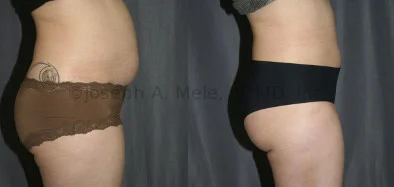
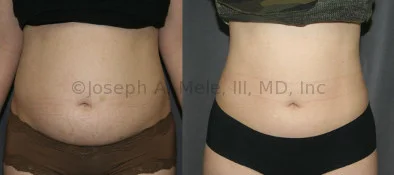
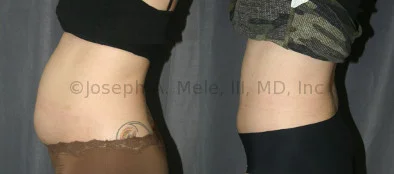
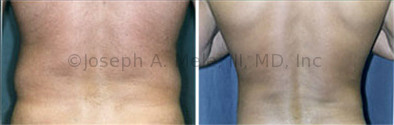
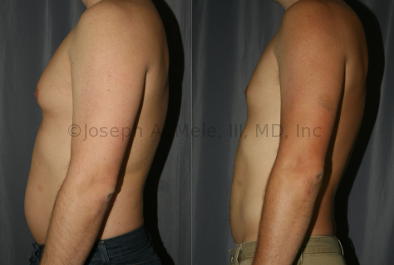
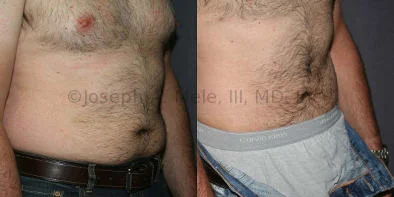
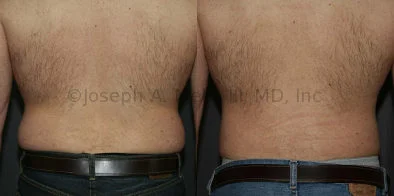
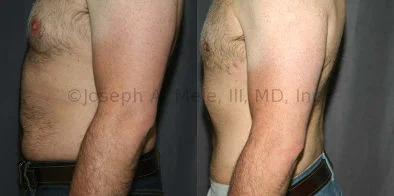
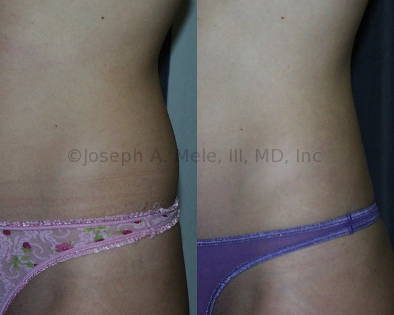
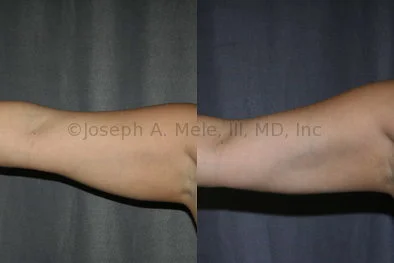
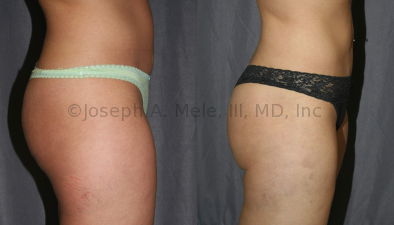
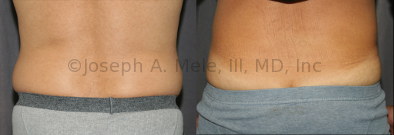
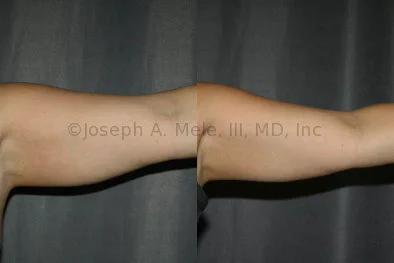
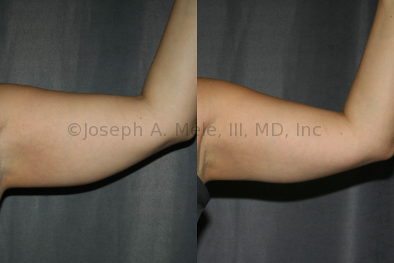
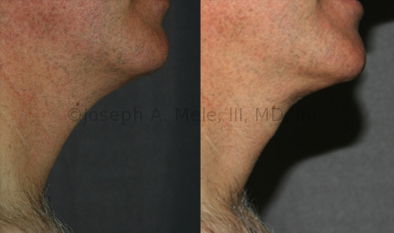
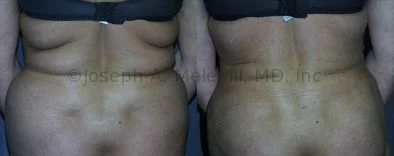
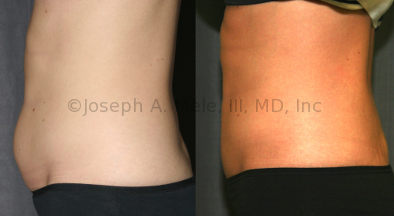
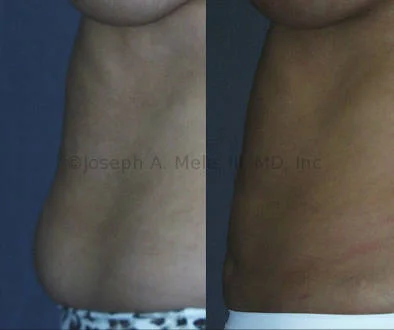
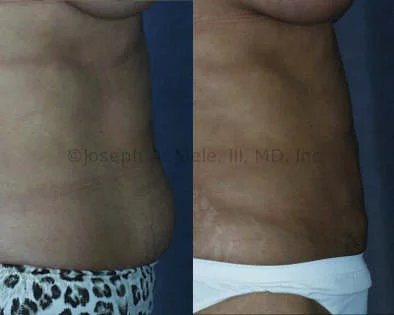
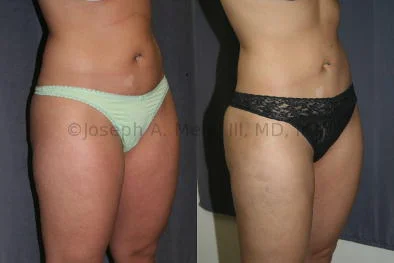
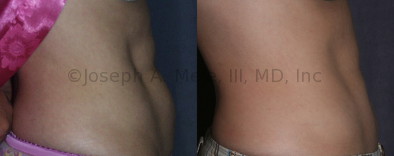
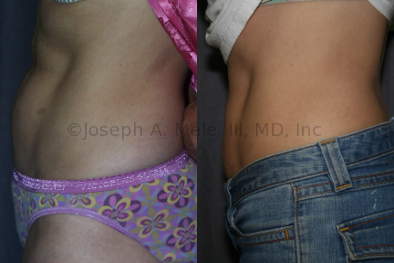
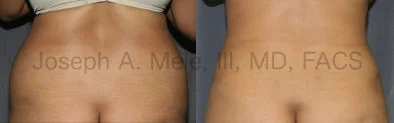
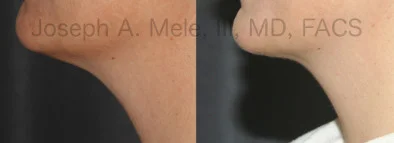
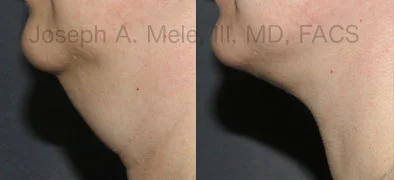
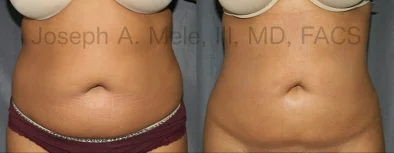
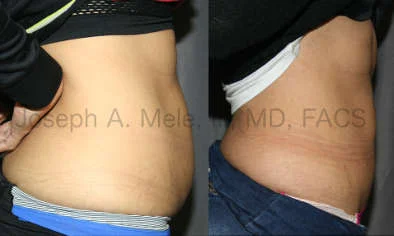
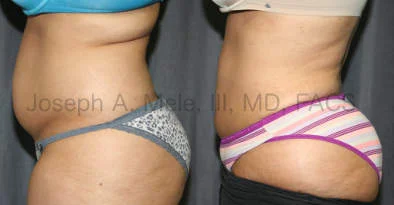
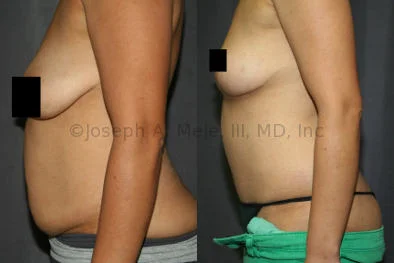
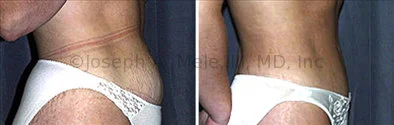
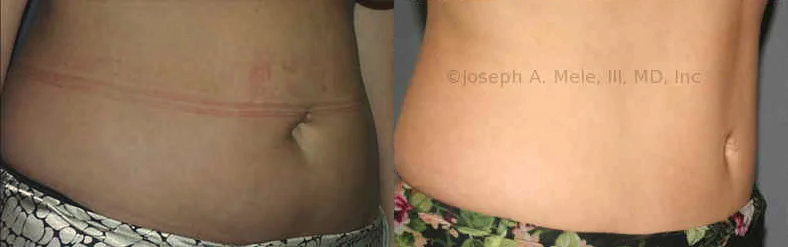
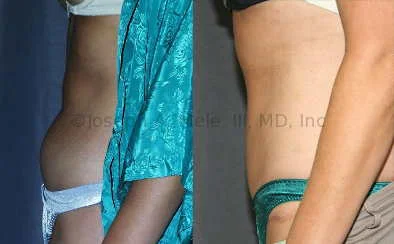
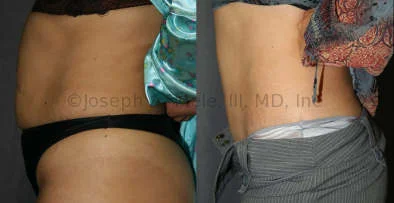
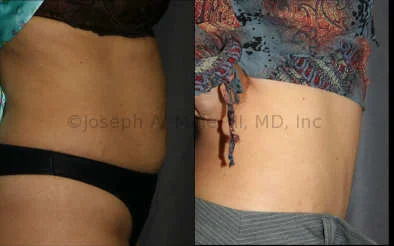
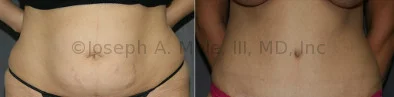
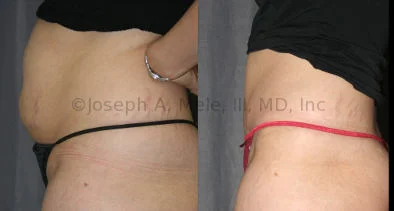
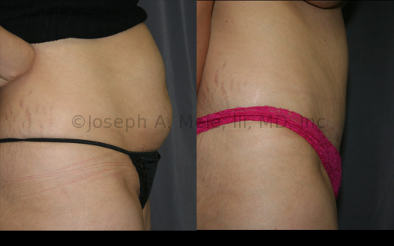
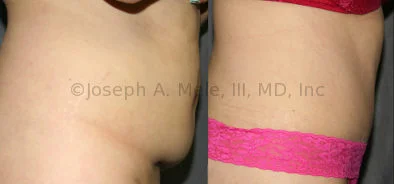
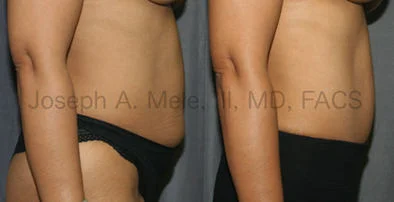
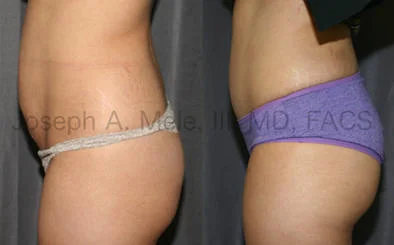
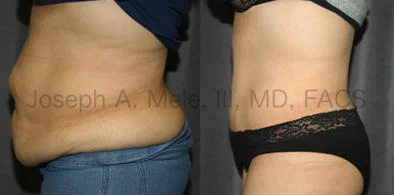
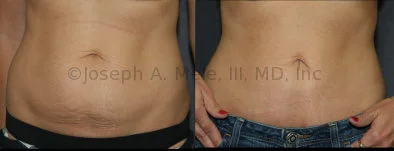
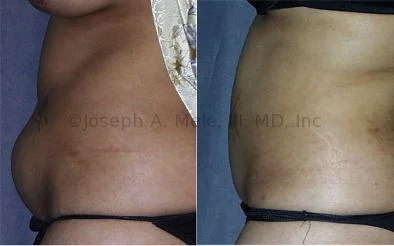
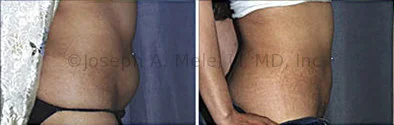
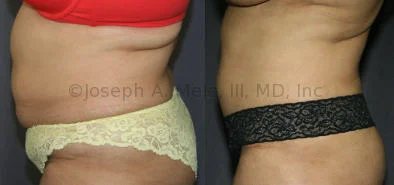
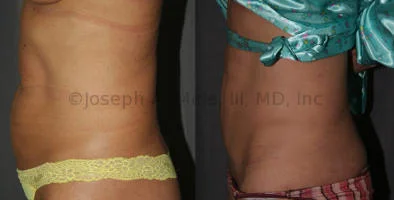
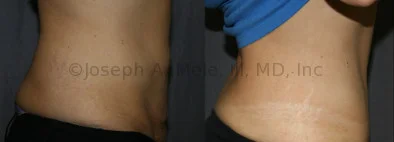
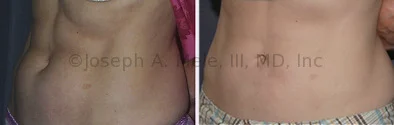
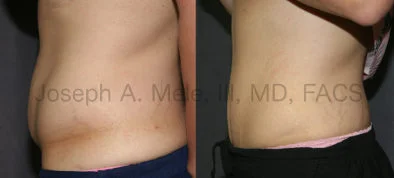
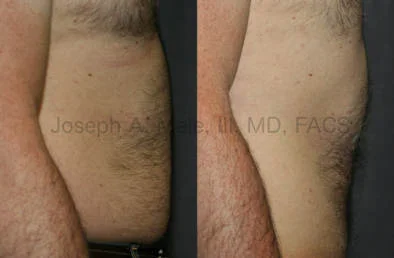
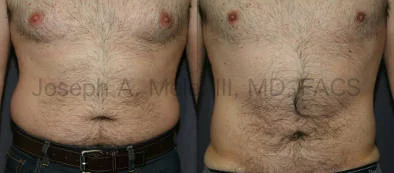
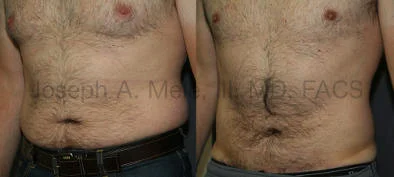
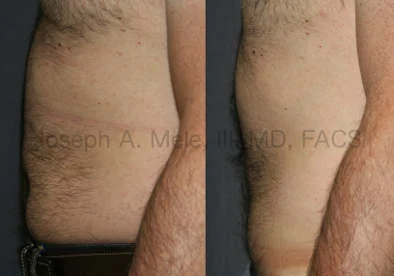
Liposuction is an excellent procedure for removing localized disproportionate fat. It makes use of small, usually hidden, incisions and allows the body to be contoured with minimal changes to the skin. It works best in patients with discreet pockets of fat who have good skin tone.
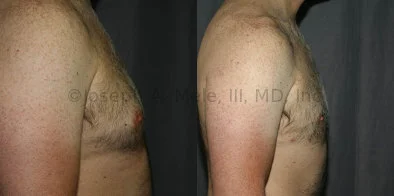
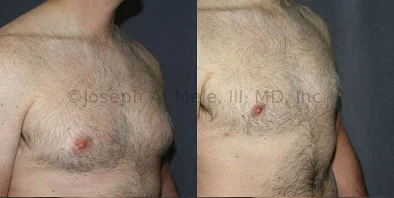
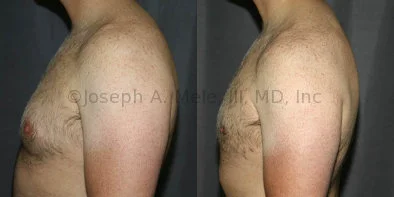
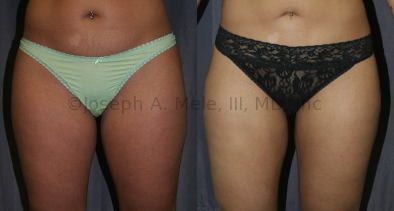
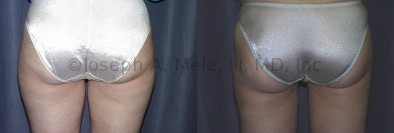
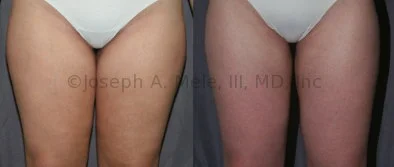
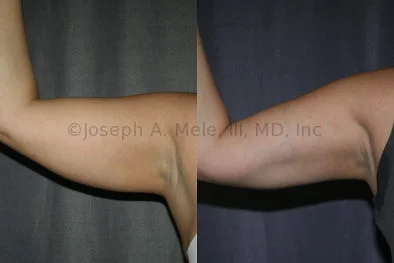
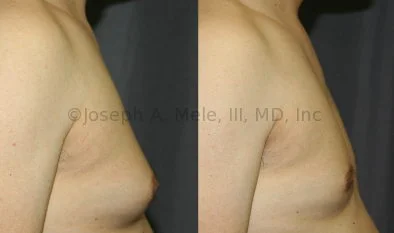
Liposuction Before and After Pictures
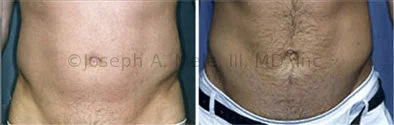
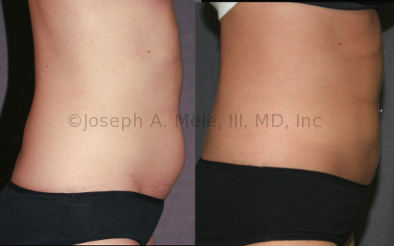
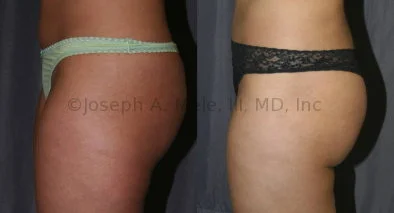
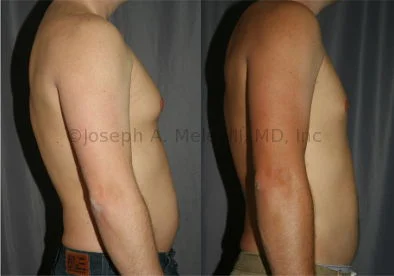
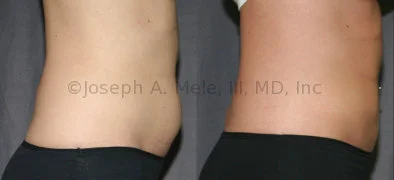
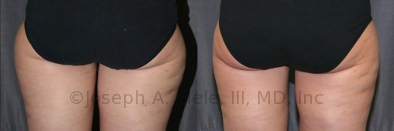
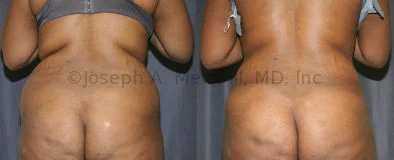
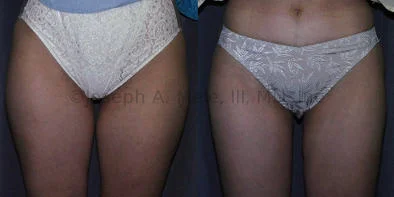
Tummy Tuck - Abdominoplasty
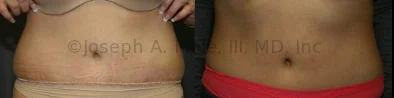
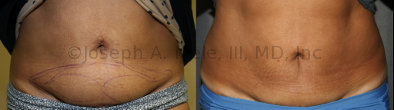
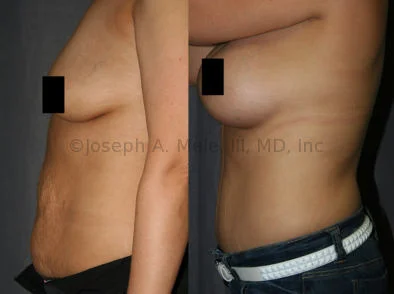
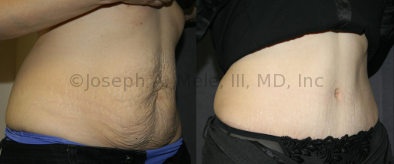
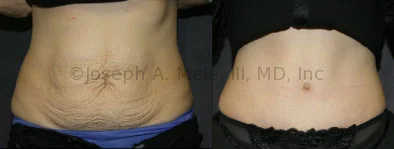
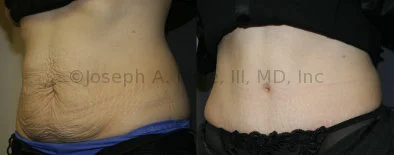
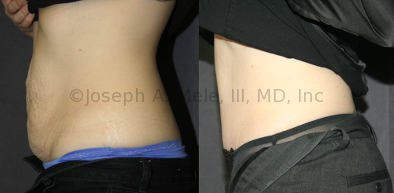
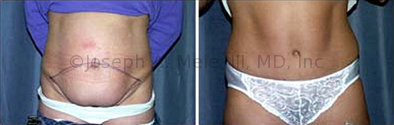
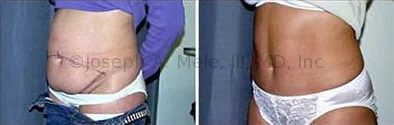
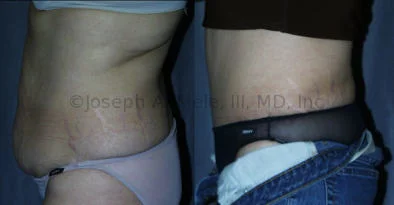
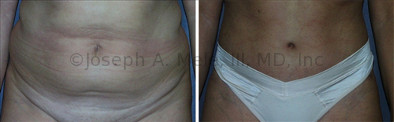
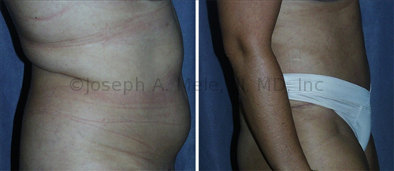
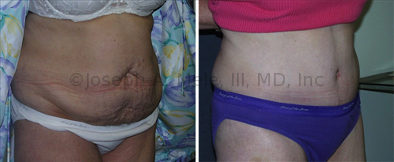
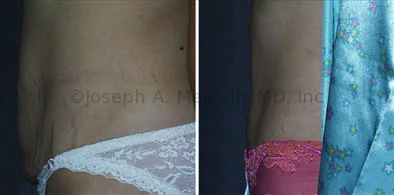
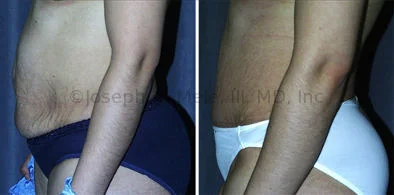
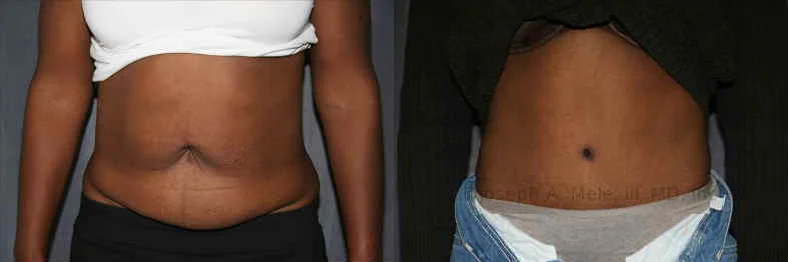
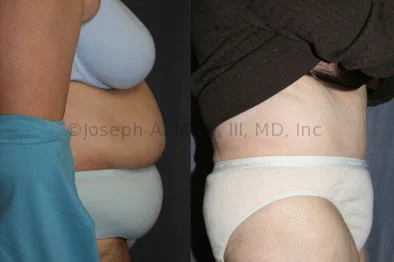
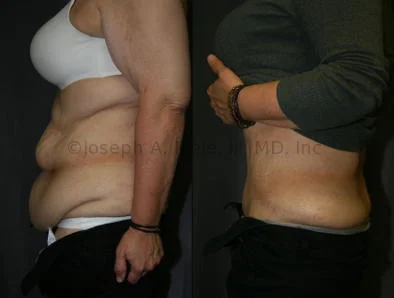
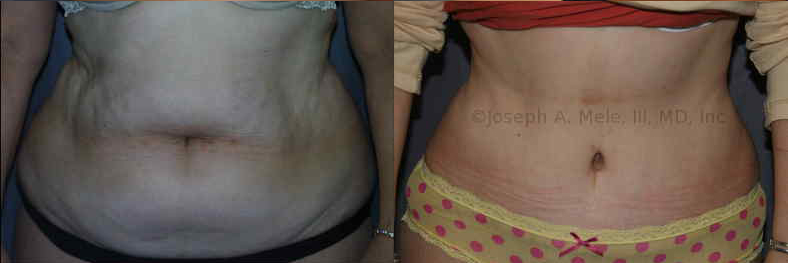
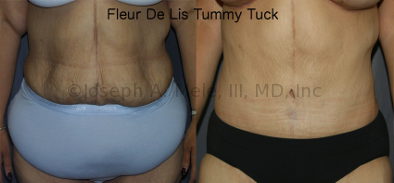
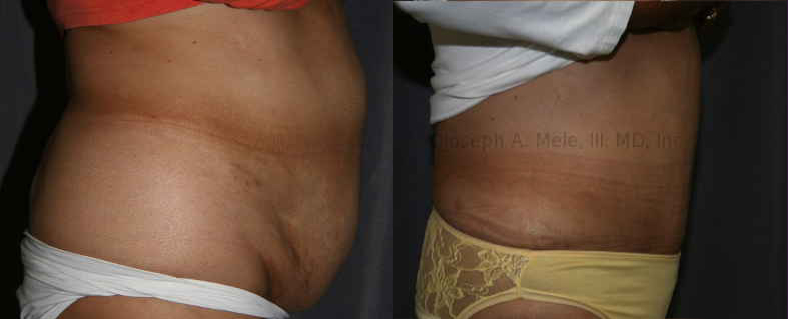
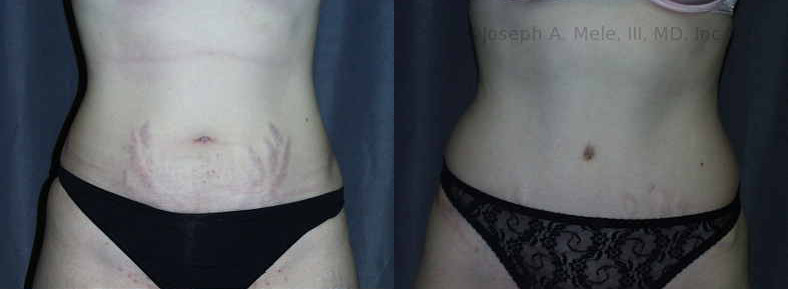
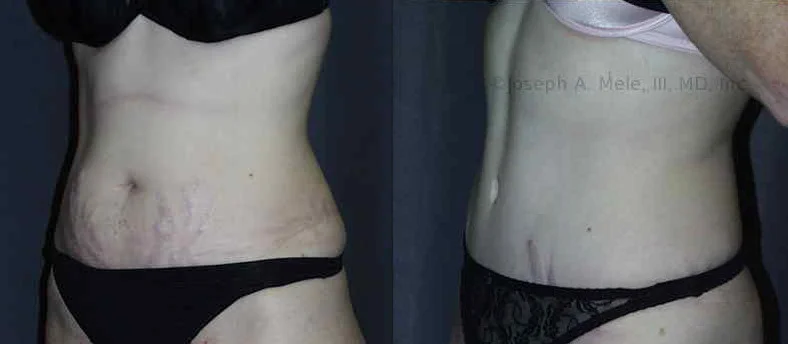
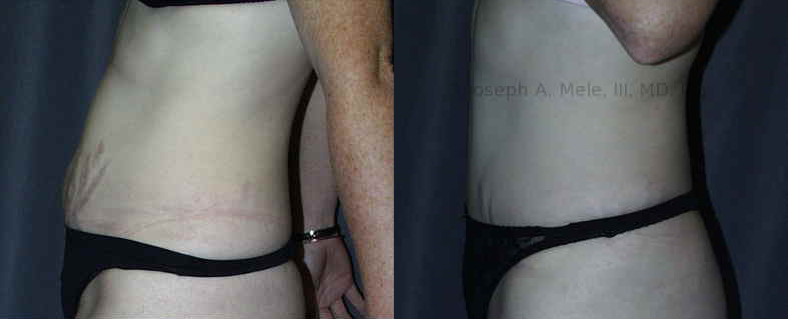
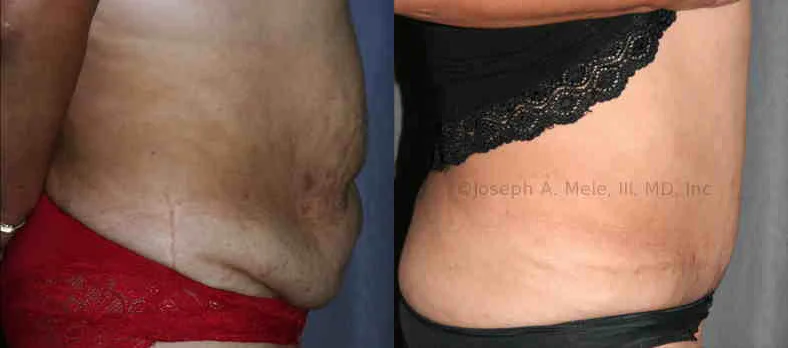
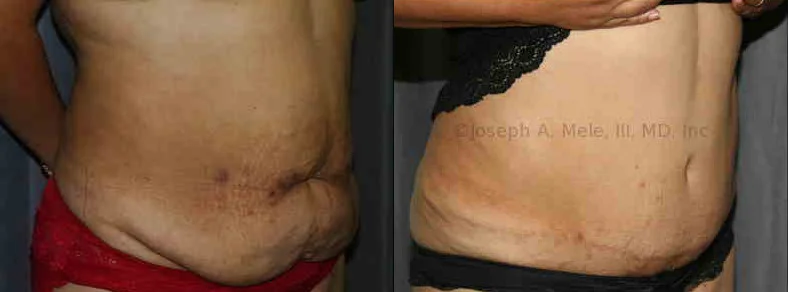
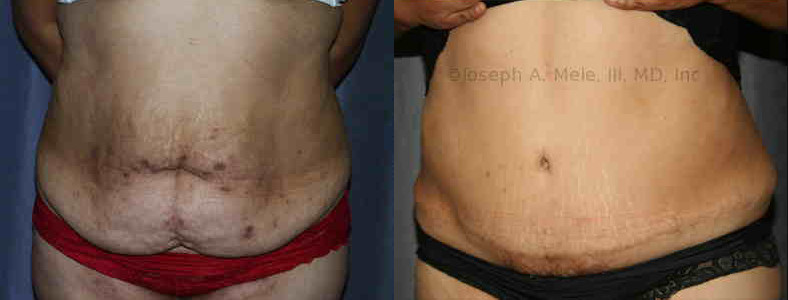
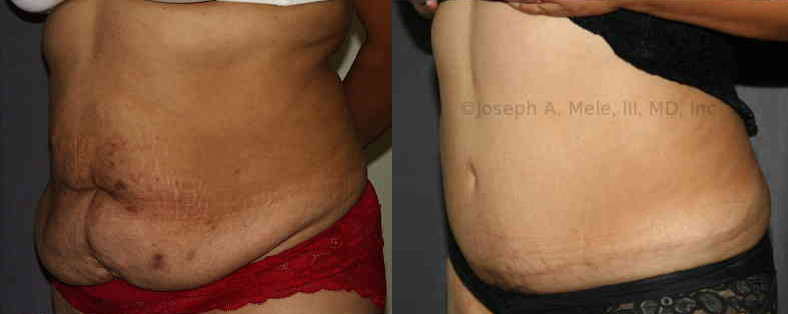
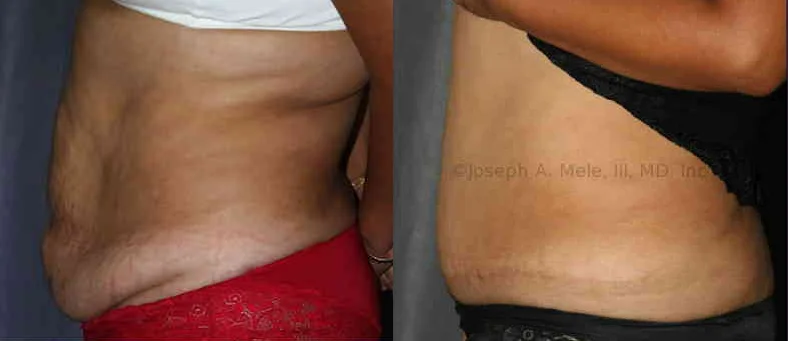
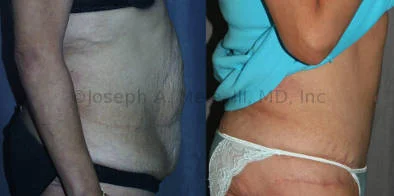
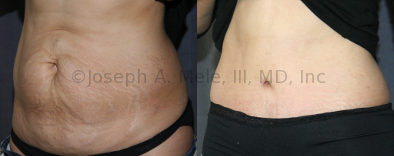
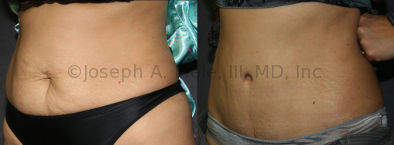
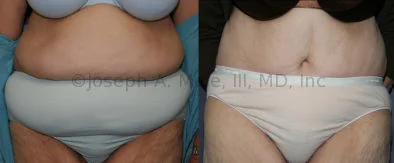
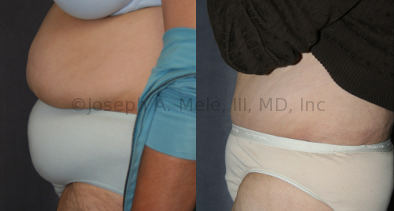
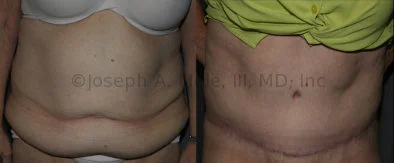
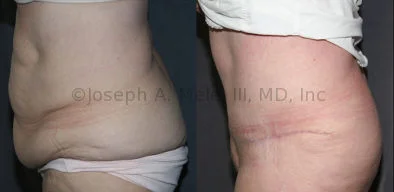
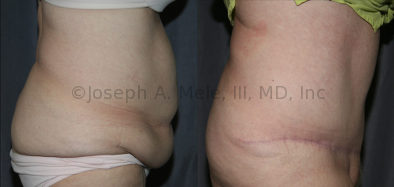
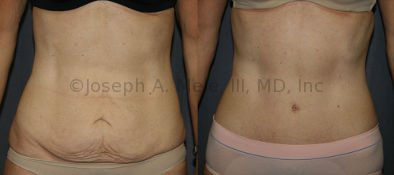
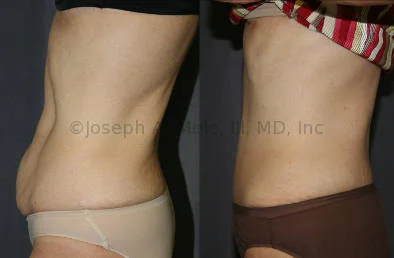
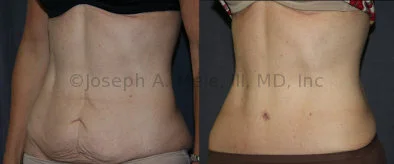
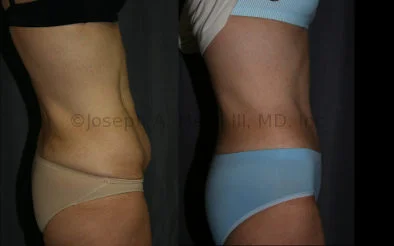
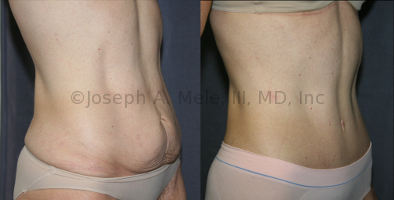
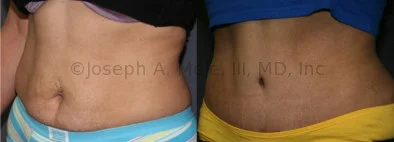
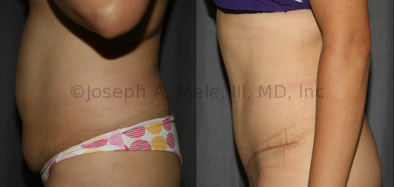
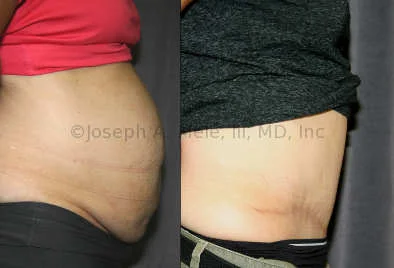
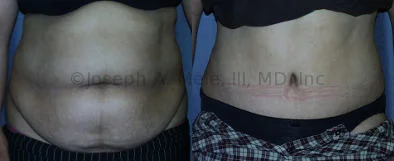
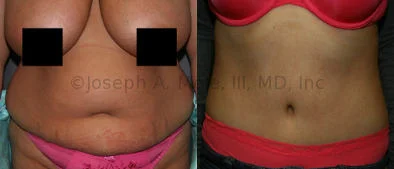
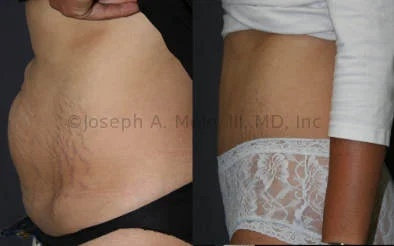
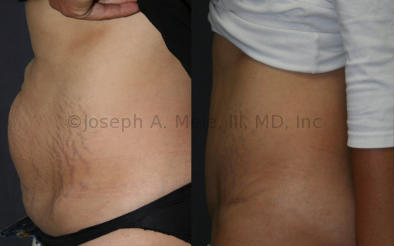
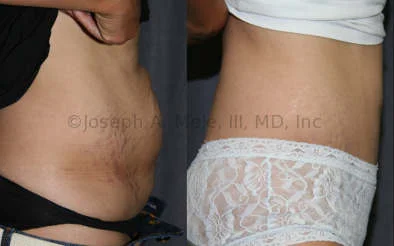
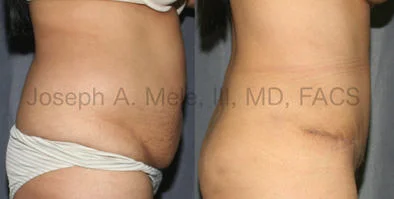
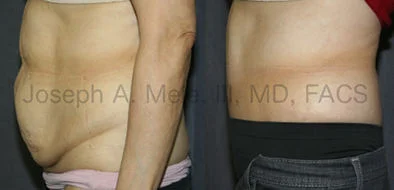
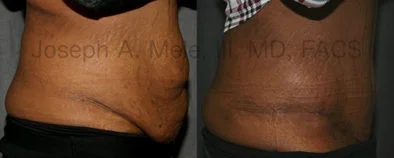
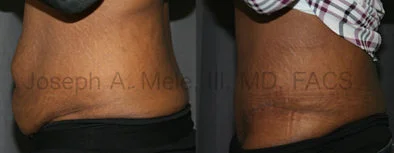
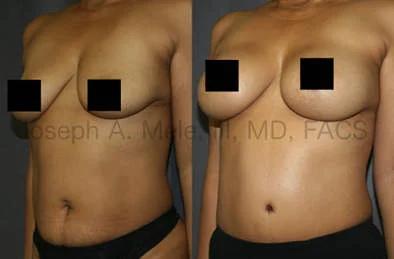
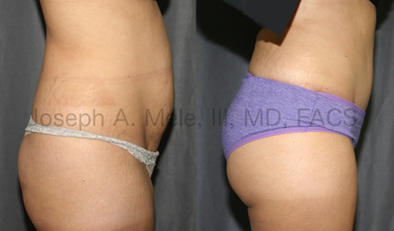
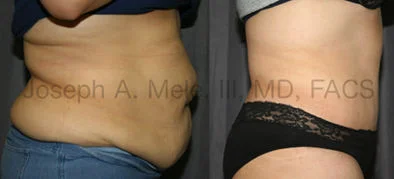
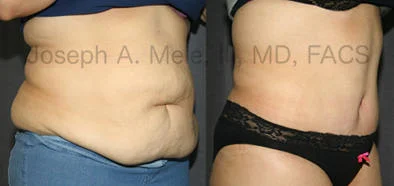
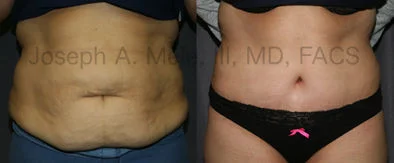
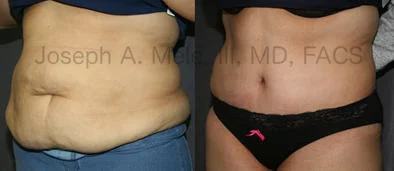
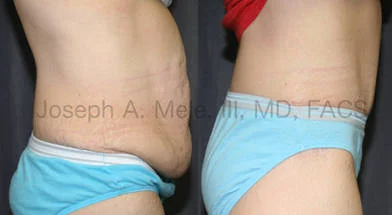
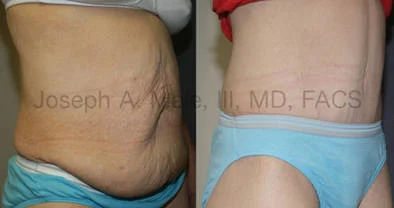
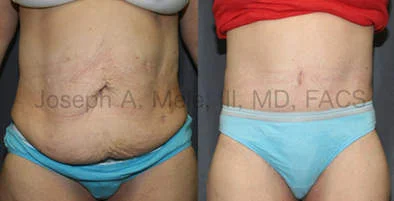
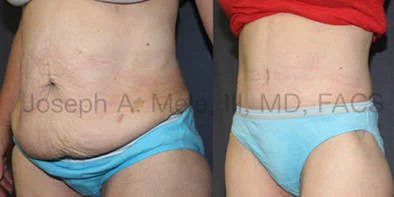
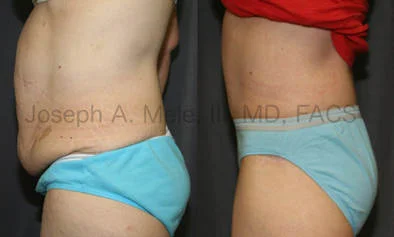
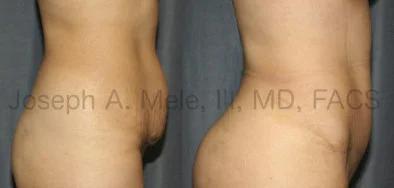
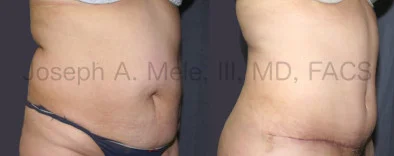
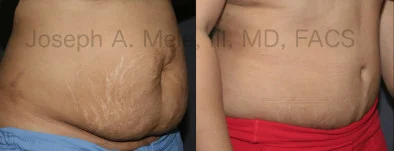
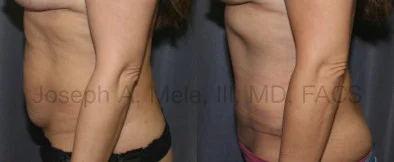
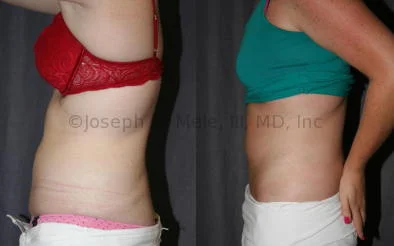
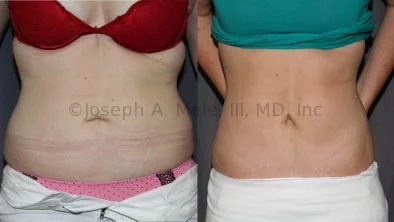
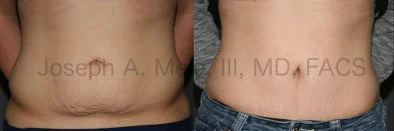
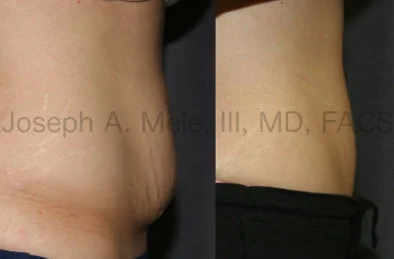
Loose skin, on the other hand, is an indication for a Tummy Tuck. While Liposuction can remove fat, a Tummy Tuck can remove fat and noticeably tighten both the skin and the muscles of the abdominal wall. Removing the excess skin is accomplished with a low abdominal incision. This can also remove previous low abdominal scars and any stretch marks on the lower abdomen. Placing sutures into the tough lining covering the anterior abdominal wall muscles tightens the abdominal wall like an internal corset.
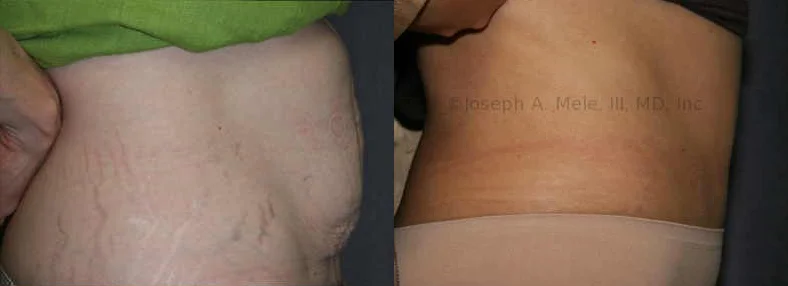
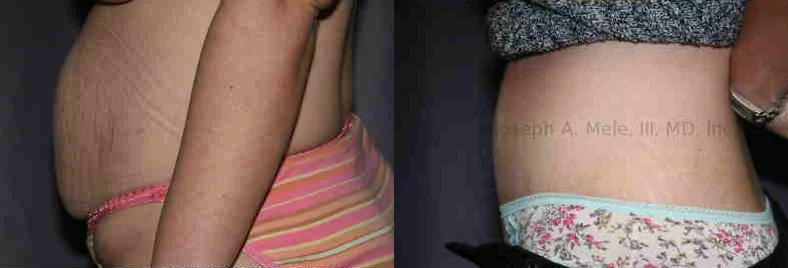
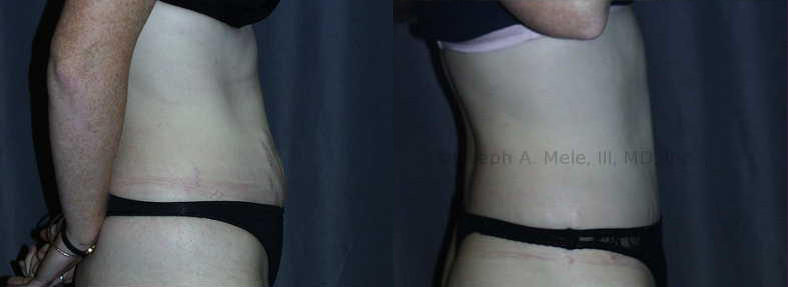
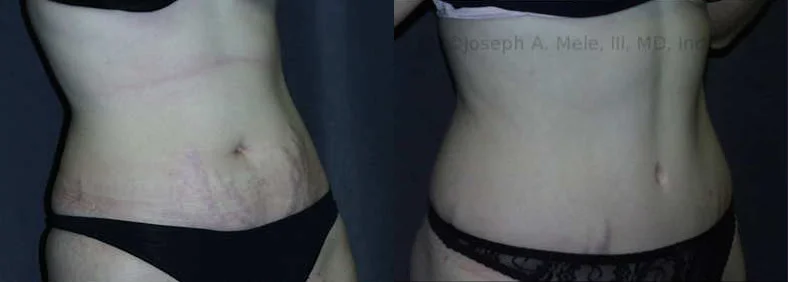
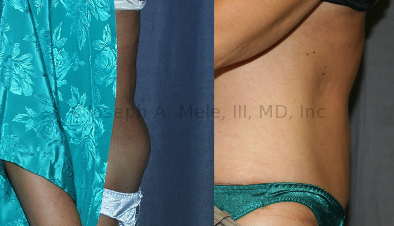
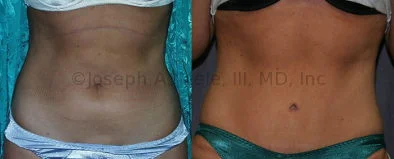
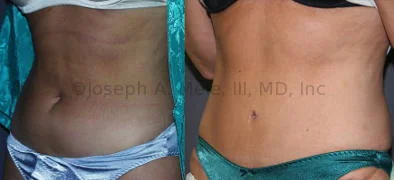
Tummy Tuck Before and After Pictures
Mini Tummy Tuck
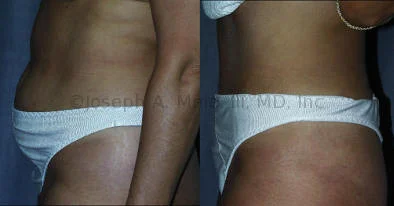
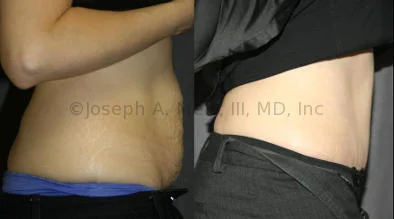
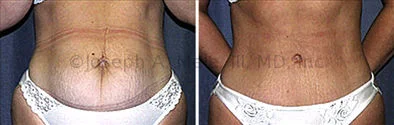
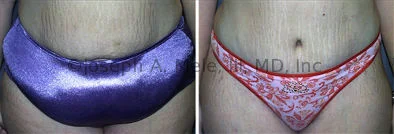
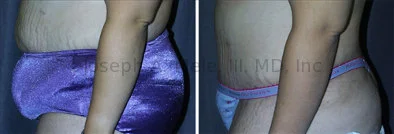
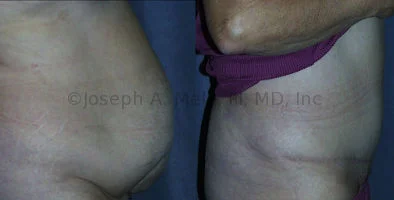
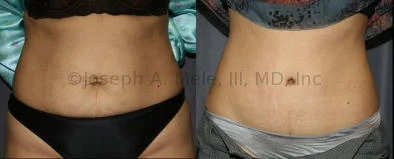
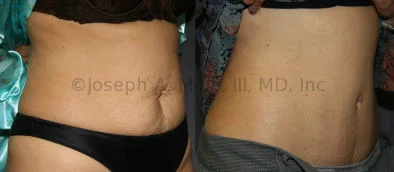
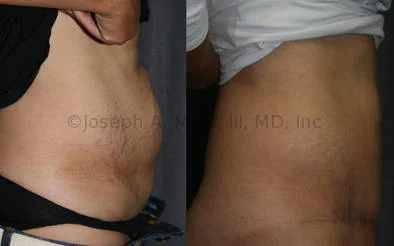
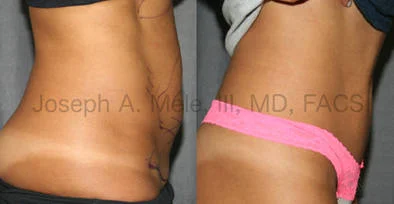
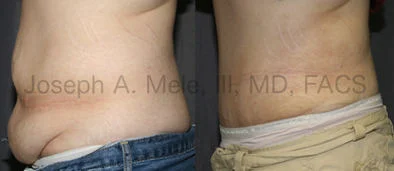
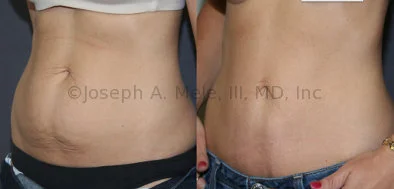
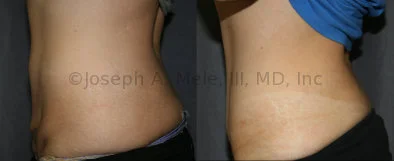
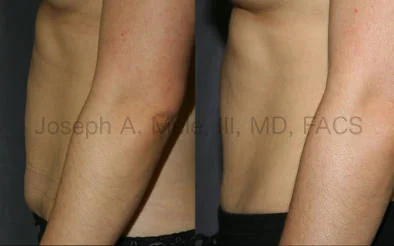
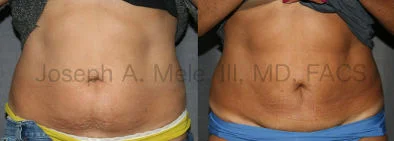
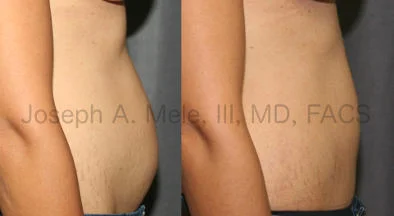
Sometimes, a hybrid of the two procedures, like a Mini Tummy Tuck is best. A Mini Tummy Tuck can provide skin and muscle tightening of the lower abdomen. It cannot correct as well as a full tummy tuck, but for patients with skin laxity and disproportional fat isolated to the zone between the belly-button and the pubic region, it can provide correction superior to liposuction, with a shorter recovery than for a full tummy tuck.
Mini Tummy Tuck Before and After Pictures
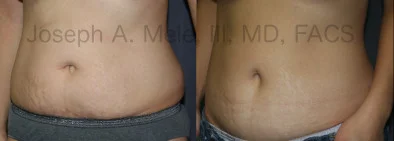
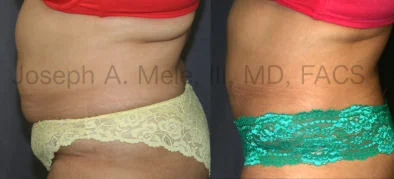
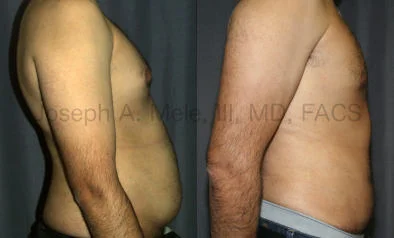
So How do we Choose? Liposuction, Tummy Tuck or Mini Tummy Tuck?
Which procedure is the correct one for you depends on many factors, and the decision is best made during consultation with a Board Certified Plastic Surgeon. The correct procedure depends on the problem being fixed. Liposuction will be best for isolated disproportionate fat, while a tummy tuck will be better for abdominal wall laxity involving the muscle and skin.
The following rules usually apply: If your skin tone is good (tight) and there is are localized areas of fat in the abdominal wall or sides, Liposuction can often help. If your skin is loose or redundant (folding over) and the underlying muscles are lax (commonly seen after weight loss or pregnancy), then a Tummy Tuck will provide superior correction.
The goal is to find the best procedure for you. The procedure which offers the best correction with the quickest recovery. Liposuction, Tummy Tucks (Abdominoplasty) and Mini Tummy Tucks (Mini-Abdominoplasty) all work better if you are near your ideal weight and a non-smoker. Smokers have a greatly increased risk of wound healing problems when compared with their non-smoking counterparts.
There is much more information, including before and after pictures, on DrMele.com. We try to provide up-to-date information about many of the frequently asked questions about a wide range of cosmetic plastic surgery procedures. It’s a good way to learn about available options, but the only way to learn about the options that will work best for you is an in person consultation appointment with a Board Certified Plastic Surgeon. Feel free to explore my site, and when you are ready to learn more, give me a call at (925) 943-6353 and schedule your personal consultation appointment.
By: Joseph Mele MD, FACS